We had to choose a public space and Design for 2030 where processes will be replaced by AI / AR Technology, we chose Parking Lot
My Responsibilities
Research
Ideation
Experience Design
UI Design
Prototype






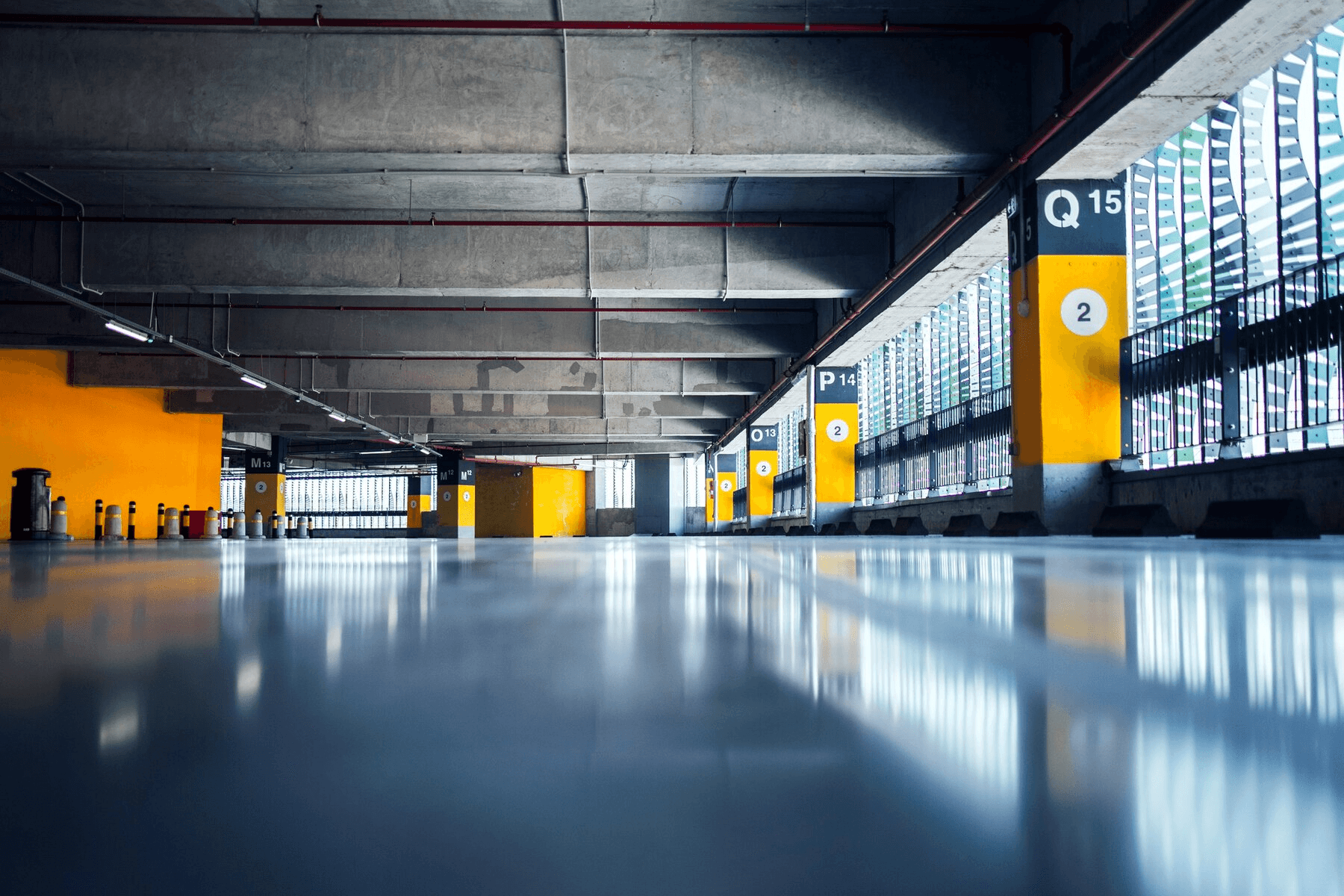
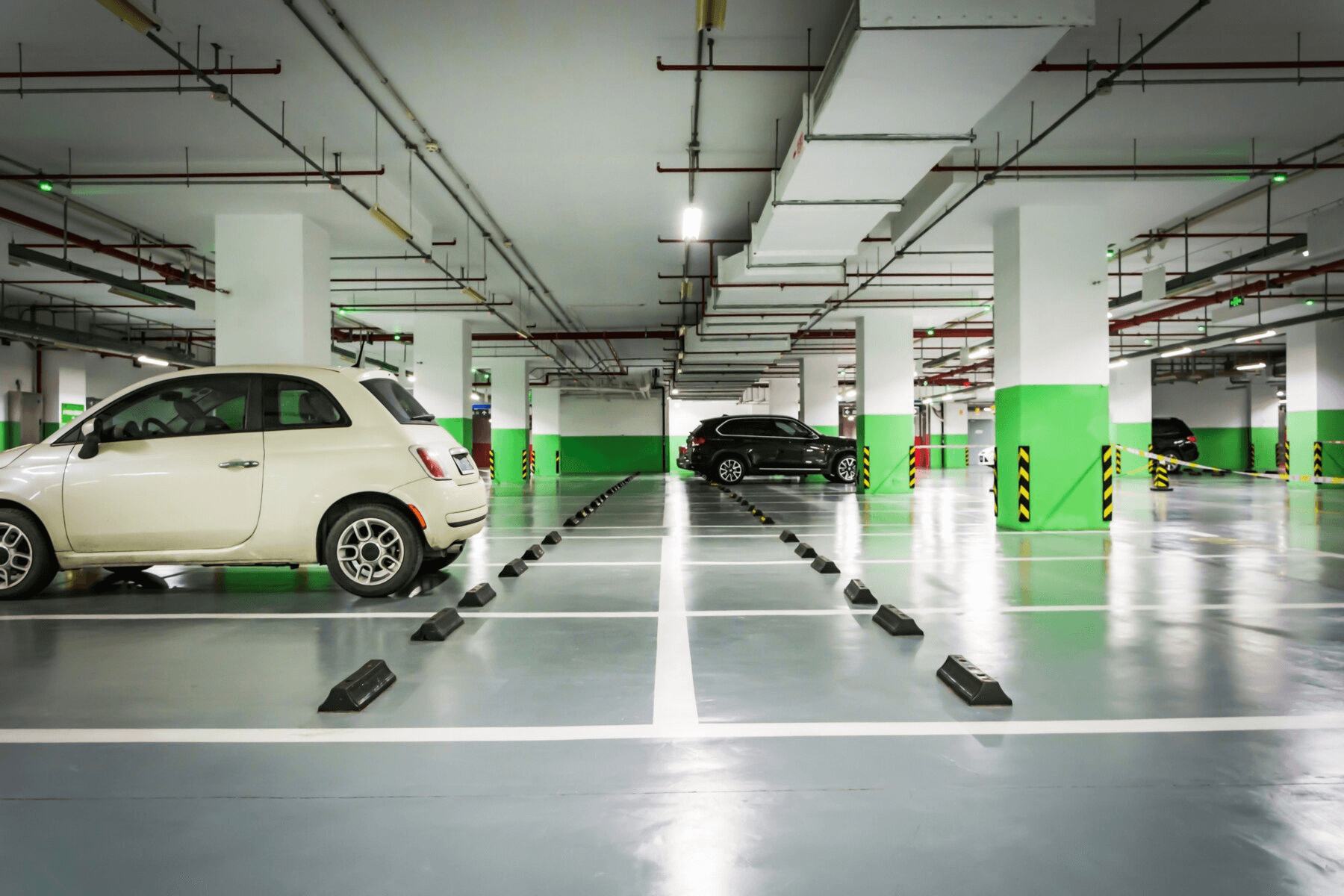


We began with secondary research to gain insight regarding the parking lot and its challenges, we documented all the research here.
Some of the key challenges were:
Difficulty finding a spot.
Navigation confusion.
Long entry/exit wait time.
Improper utilization of space.
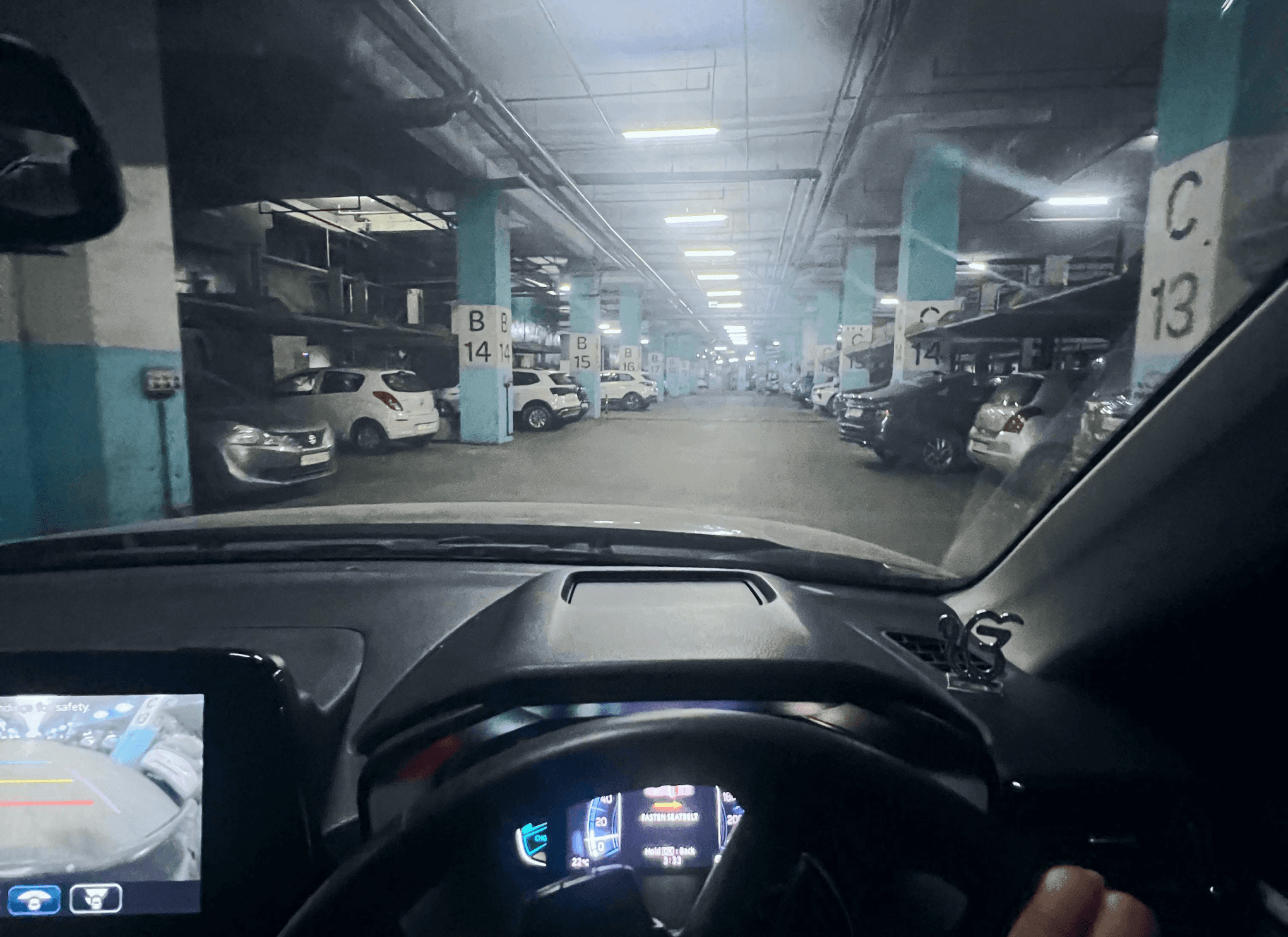
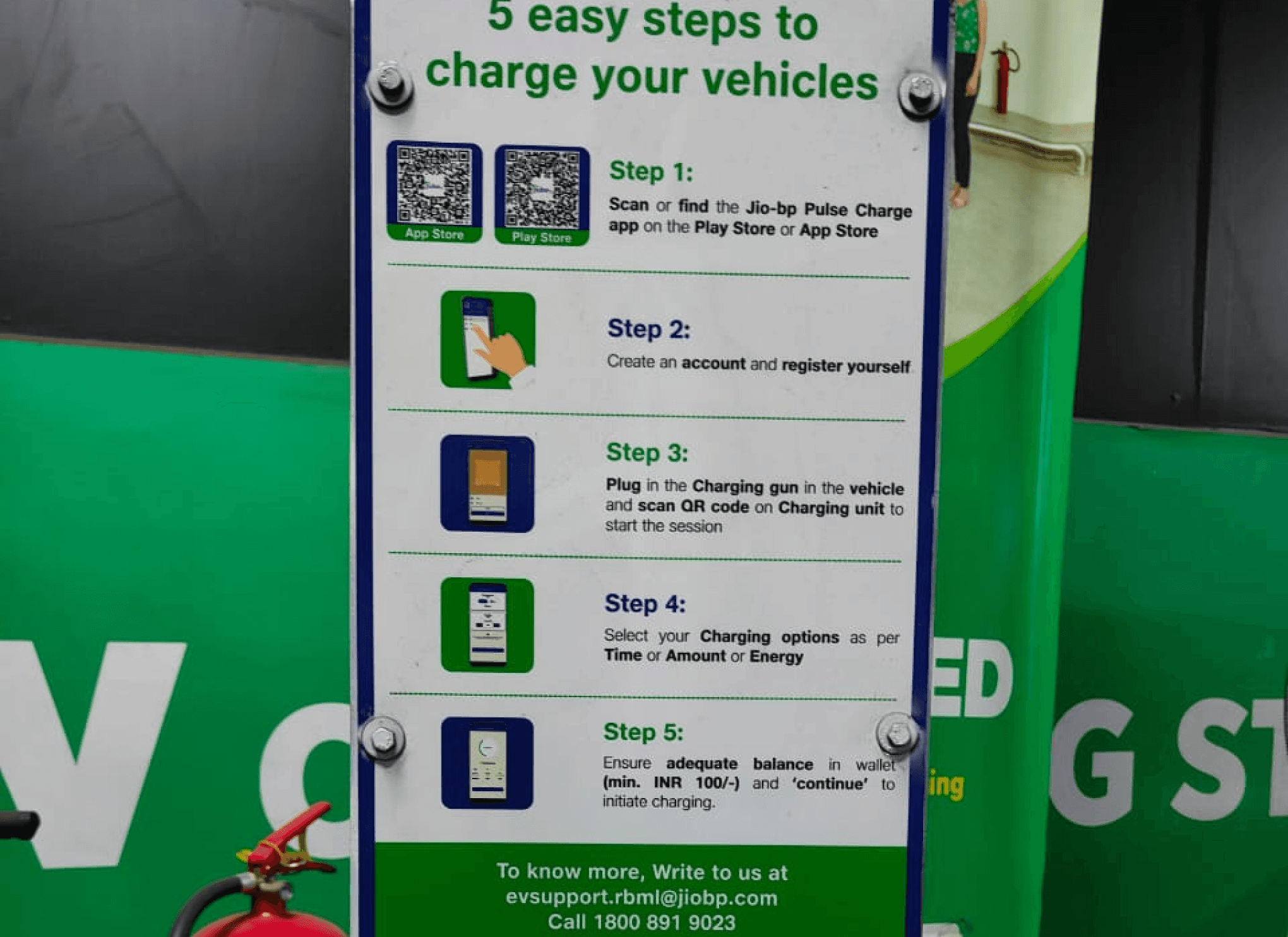
Going ahead with the primary research, we investigated 3 parking lots, Nexus Elante Mall, Radisson hotel parking, Sunfuel park plaza chandigarh.
Interestingly 2/3 parking lots had EV stations, so we added some questions about people’s experience about EV Parkings as well.
We interviewed around 20 users, Parking lot managers and guards.
Common key challenges:
Poor Navigation inside the lot.
wasting too much time to find an empty parking spot.
Forgetting the exact place people parked their vehicle.
Many people weren’t aware that the parking have EV station (lack of signage).
Accessing the EV charging through manual provided was confusing for people, no assistance was there as well.
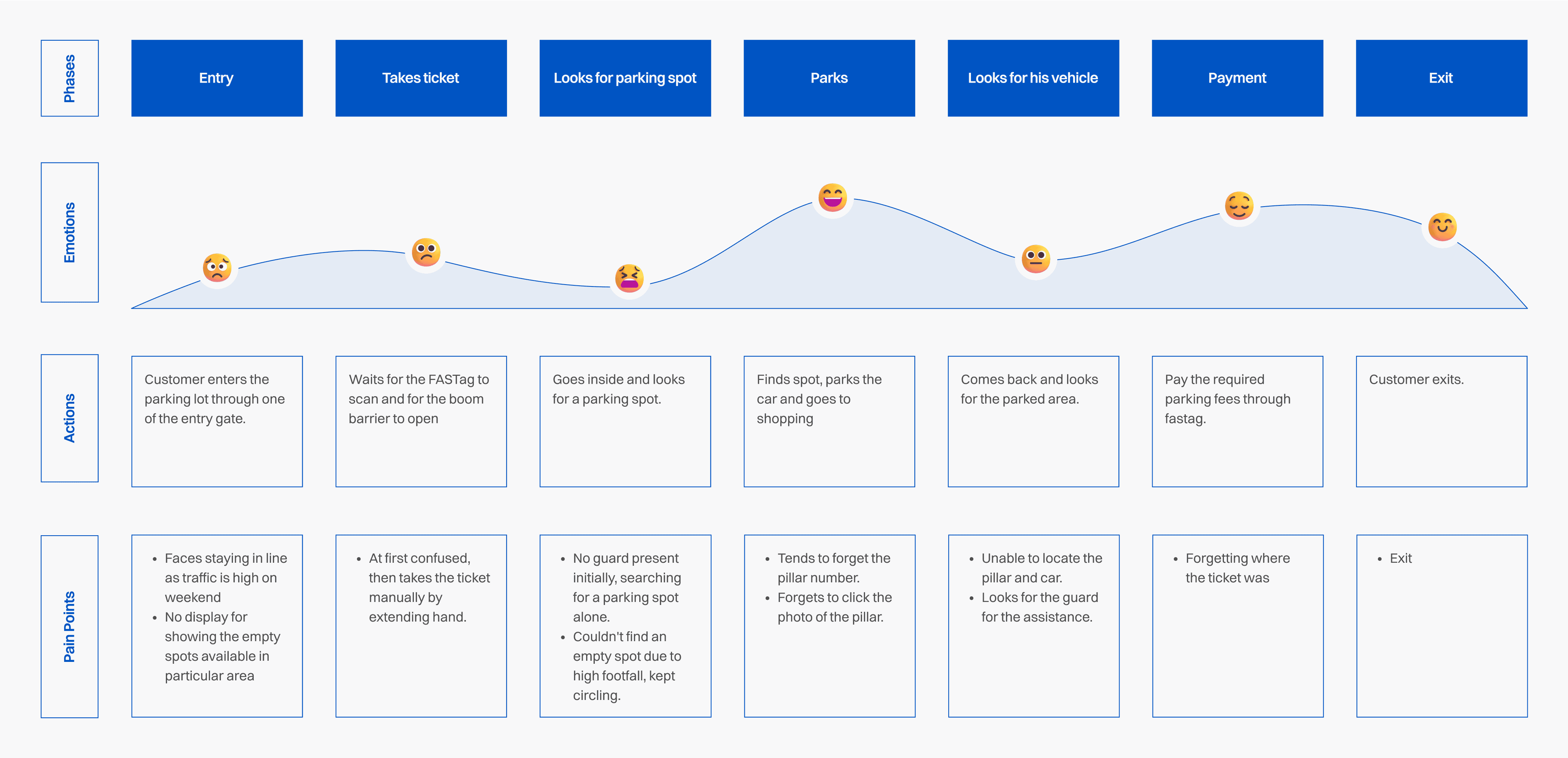
After the whole process, here are some areas we think are crucial to improve the experience of whole parking lot:
Inside Navigation
Finding empty spot effortlessly.
Reducing the traffic at entry and exit by making the process quicker.
Finding where the vehicle is parked.
Visibility of EV stations in parking.
Revamping the Infrastructure a/c to 2030 (as per the research the EV’s will be seeing inclination by 30% in India).
We are targeting Nexus Elante mall as it has the biggest parking lot (with around 5000 parking spots) in Chandigarh where we researched.
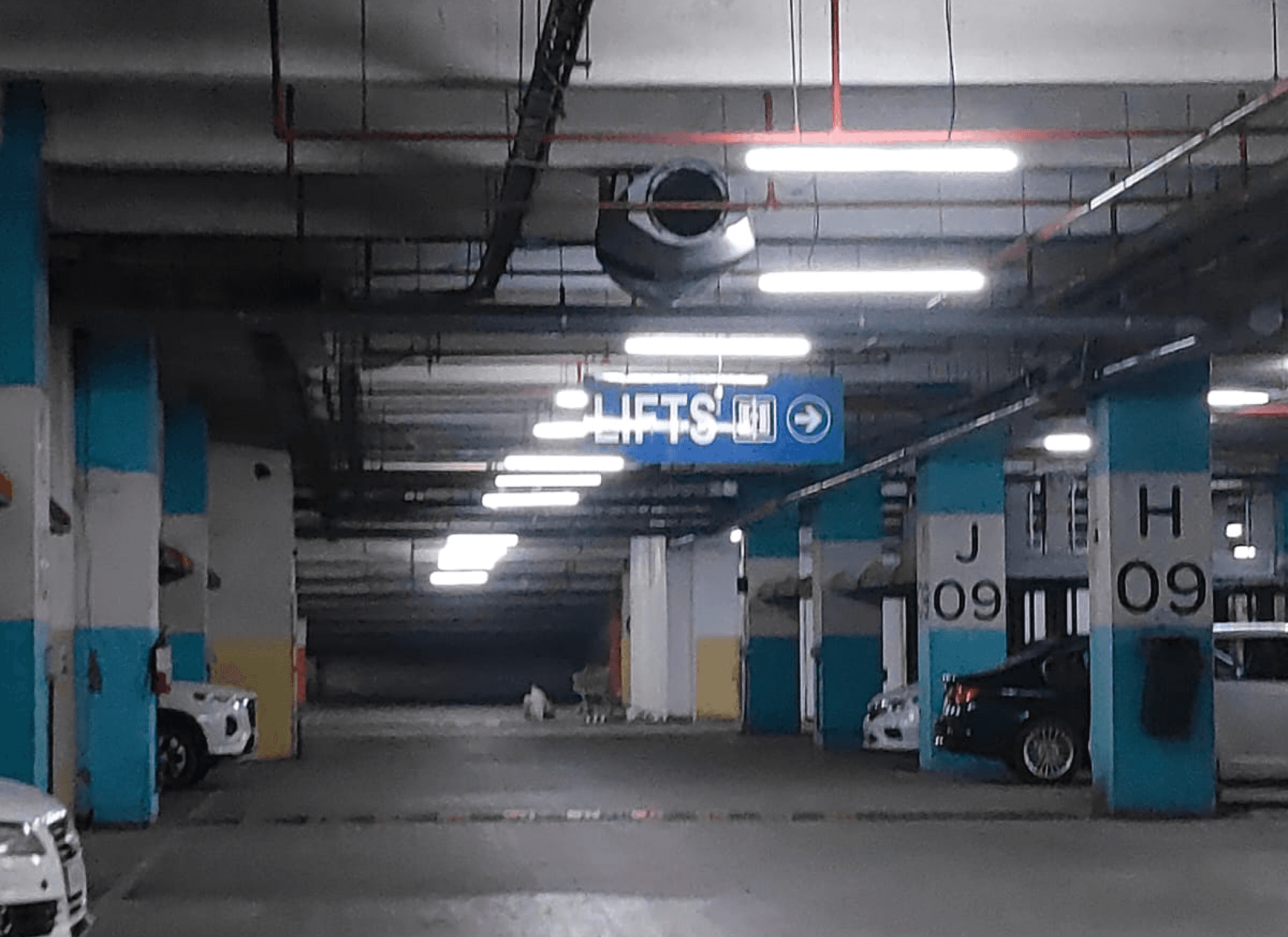
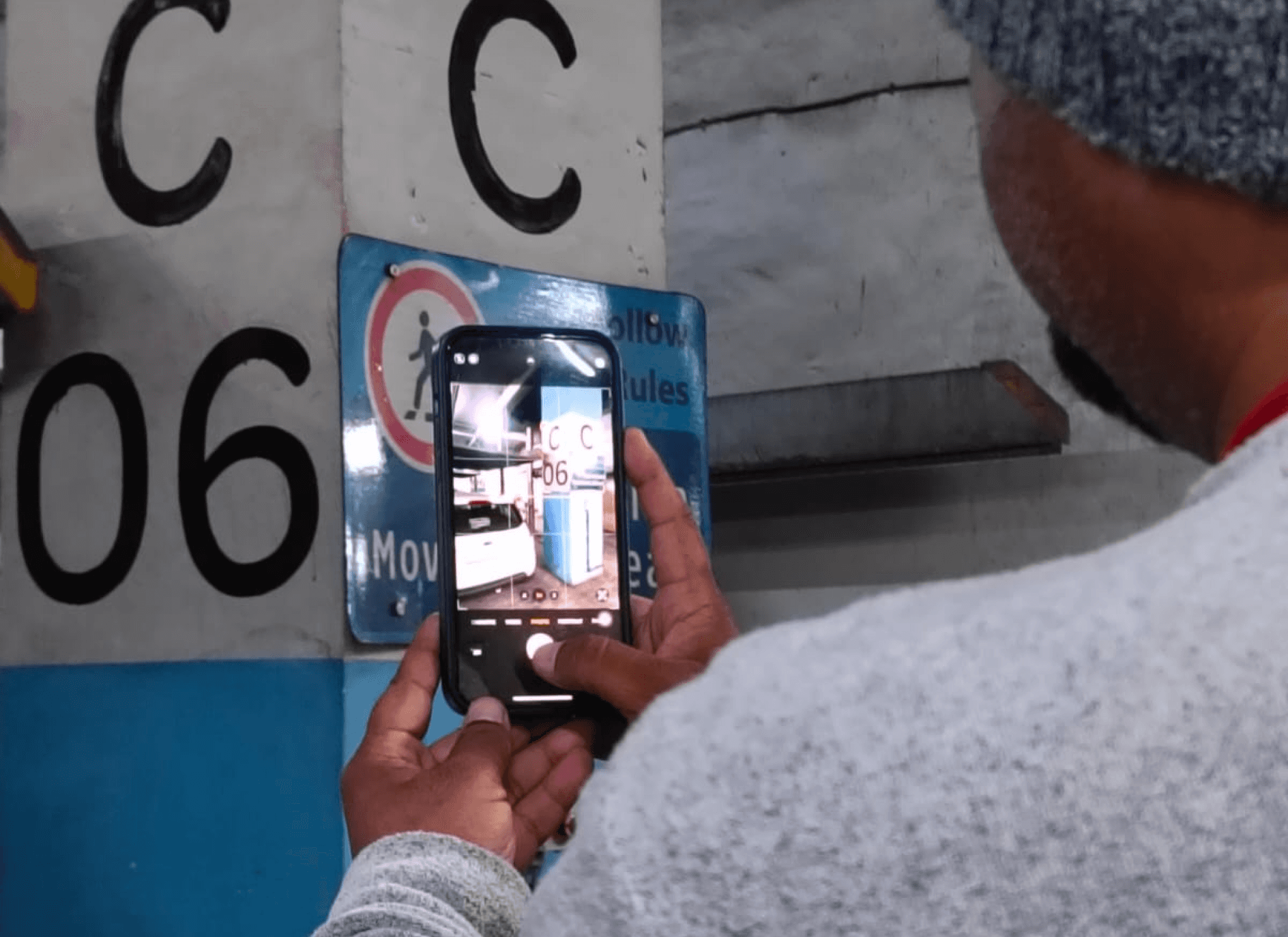
To help with the inside navigation and finding empty spots, we are integrating the SIAPAS system. ( based on the research paper ).
The SIAPAS application goes one step further by adding new functionality to the typical GPS-based map. SIAPAS runs on a PDA and it allows drivers to find a parking space that suits their needs inside a parking lot.
The SIAPAS system has been designed as a set of independent modules that communicate with each other through the use of web services.
M1 (Communications) - This keeps track of the state of the parking spaces.
M2 (GPS) - This module keeps track of the car’s current position, minimizing the GPS position error.
M3 (Voice) - Speech-based driver’s assistance.
M4 (GUI) - It manages user interaction.
M5 (Outside Parking Manager) - This module controls the global parking state.
M6 (Inside Parking Manager) - It keeps track of the parking state: parking spaces, routes, entrance and the like.
M7 (Configuration) - It manages the GPS device configuration.
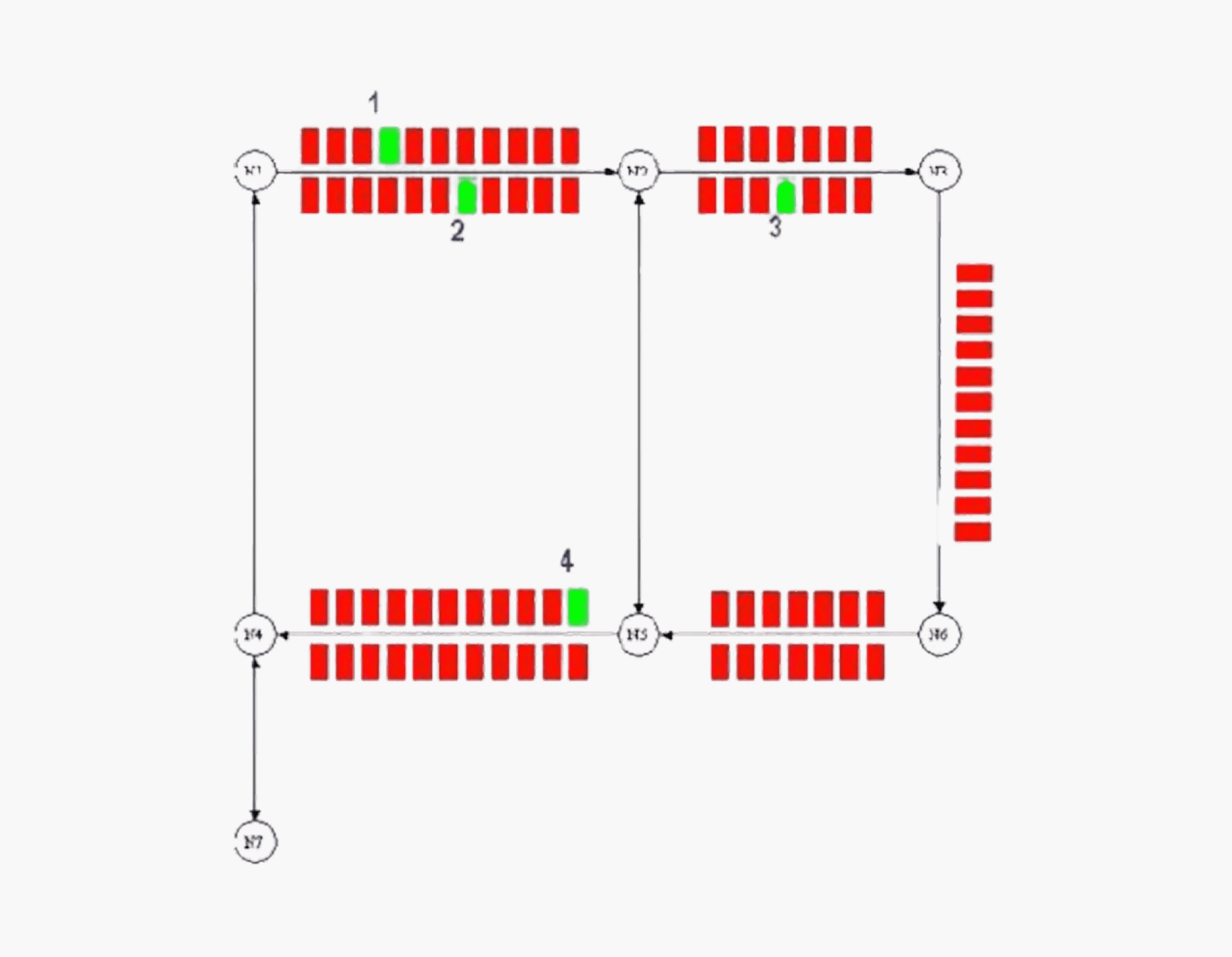
Experiment 3 - Parking Spaces Location (Research paper)
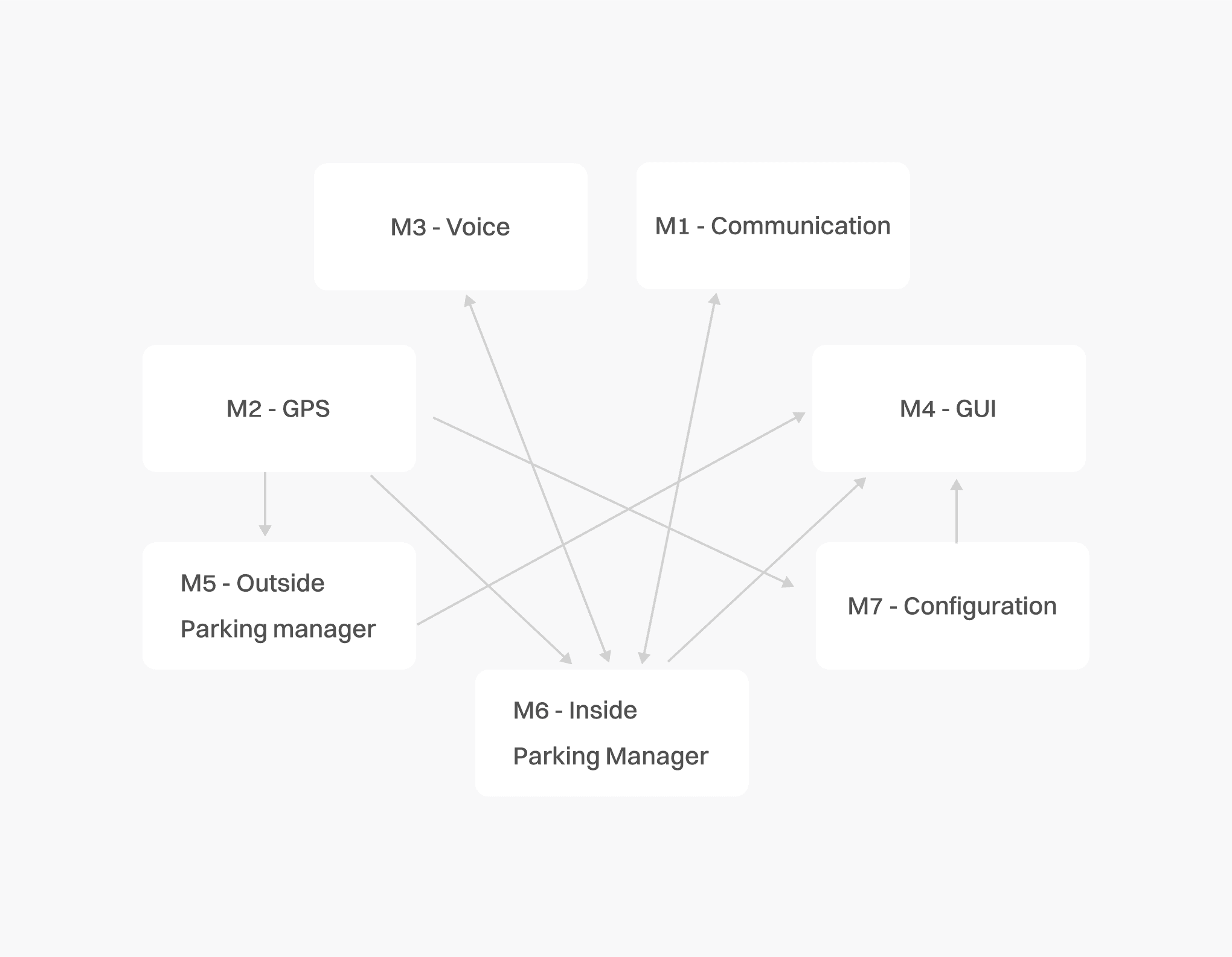
Module-level system architecture (Research paper)
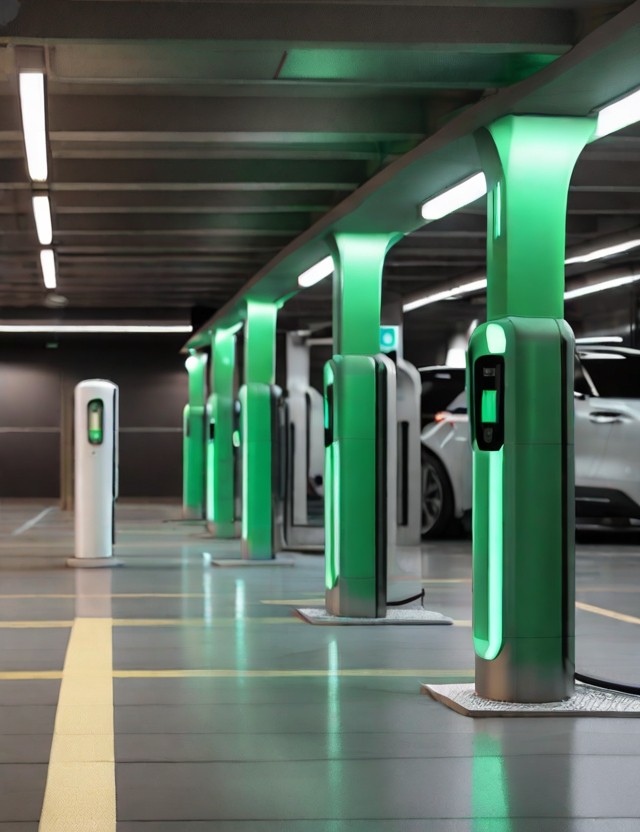
The pillars in the EV charging station should be painted green so that it is demarcated from the normal parking.
Signage and digital boards with real time information and directions.
Dedicating certain spots for EV parking, as the research shows 30% inclination in EV by 2030 :
Total parking spots (Nexus Elante mall, chandigarh) = 5000 approx.
Assuming currently 10% of vehicles are EV,
5000x10% = 500,
Inclination by 30% ie. (30% x 500) + 500 = 150 + 500 = 650.
Not all EVs need charging simultaneously. Assuming 40% of EV needs charging,
650 x 40% = 260.
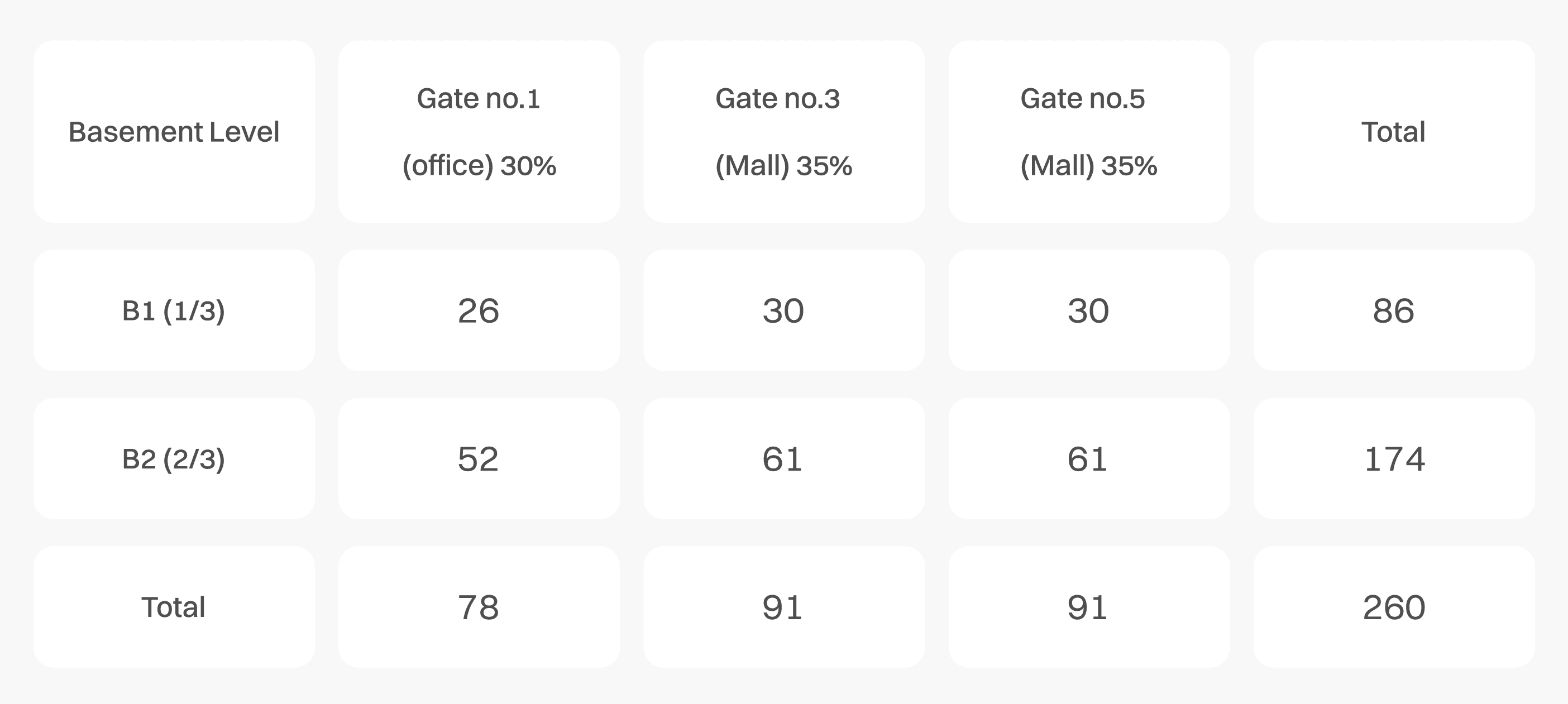
Total EV spots needed = 260
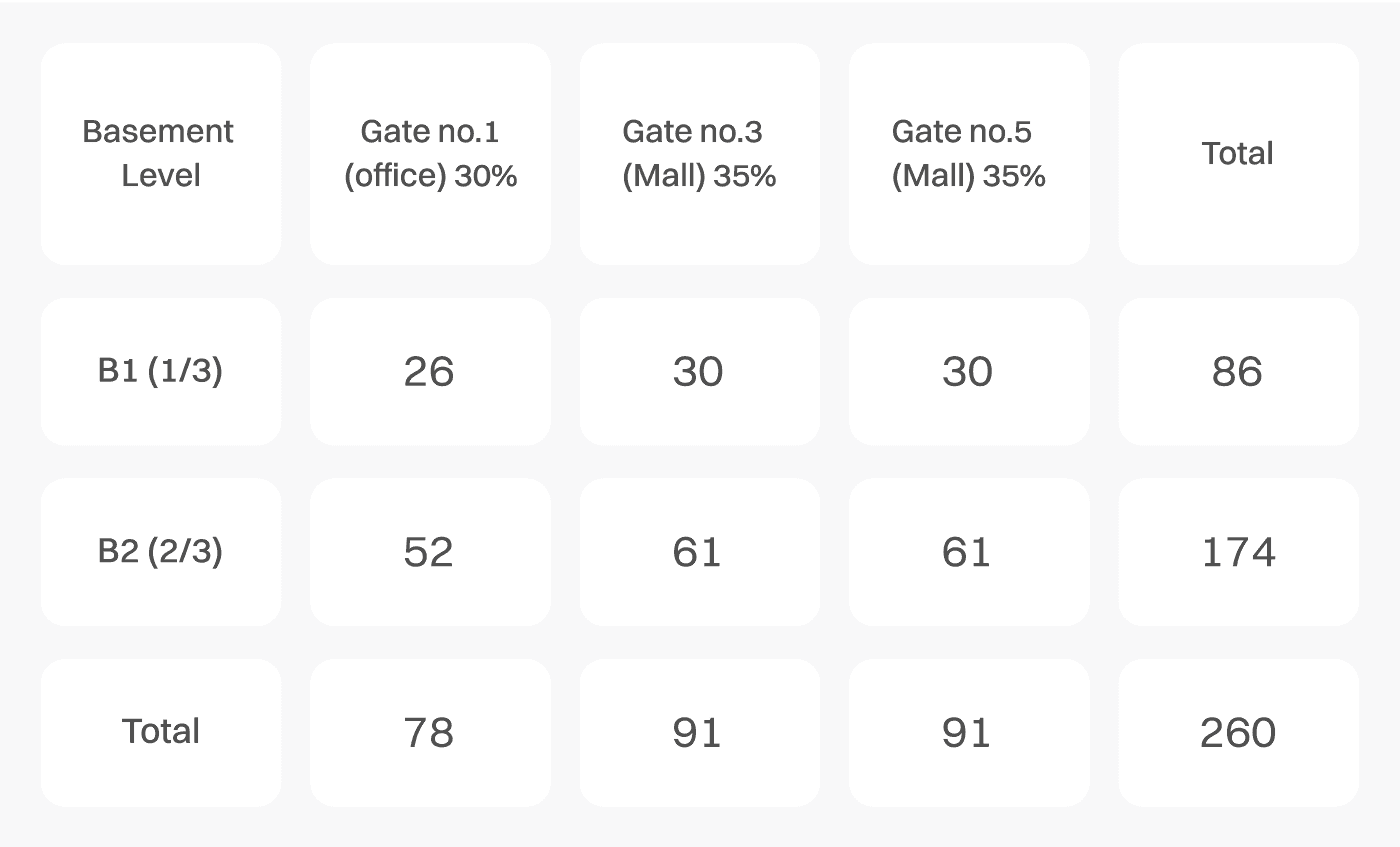
Refer to the table below for distribution.
Introducing the Application called “Park Master” which will help the user in finding available parking lots with or without EV and other such features, collaborating with the SIAPAS system, parking spaces and AR technology.
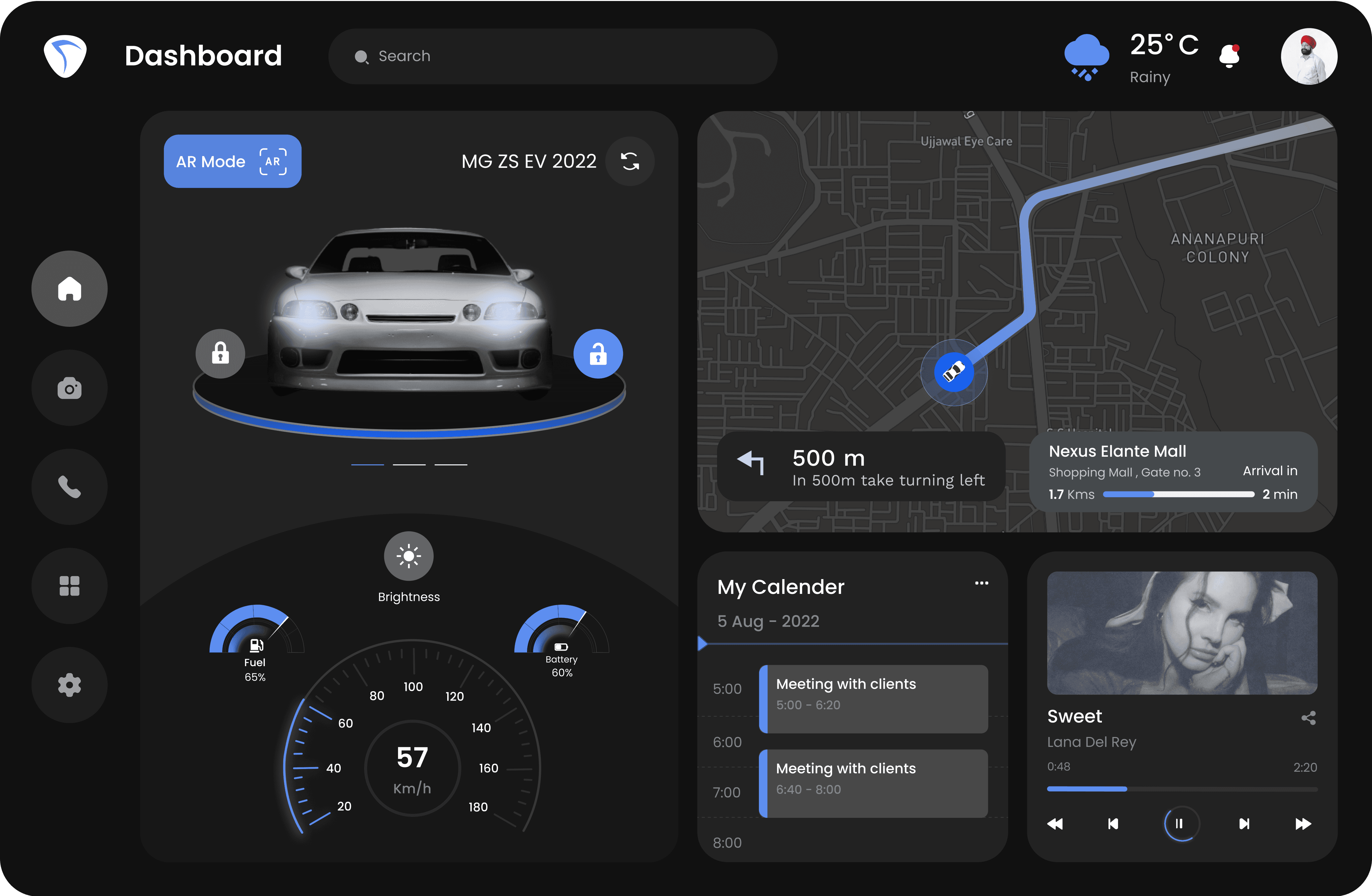
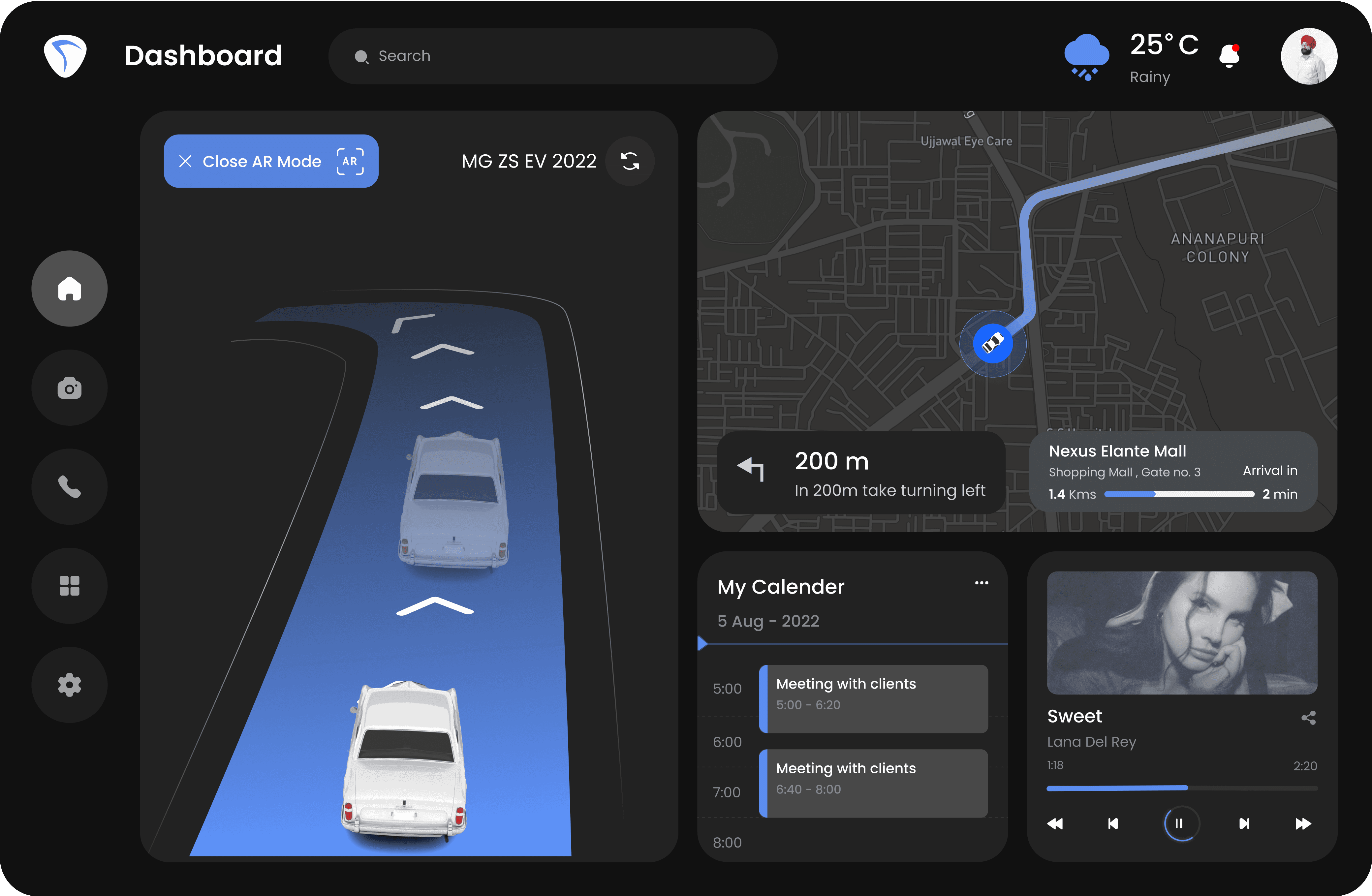
As per the research we can see rise in AR feature coming in cars with the speculation that by 2030 the whole windshield can be replaced with AR view windshield making it a smart and safe way to navigate.
Utilizing the technology, we are making a safe, smart and time saving experience for the user. let’s see the journey below.
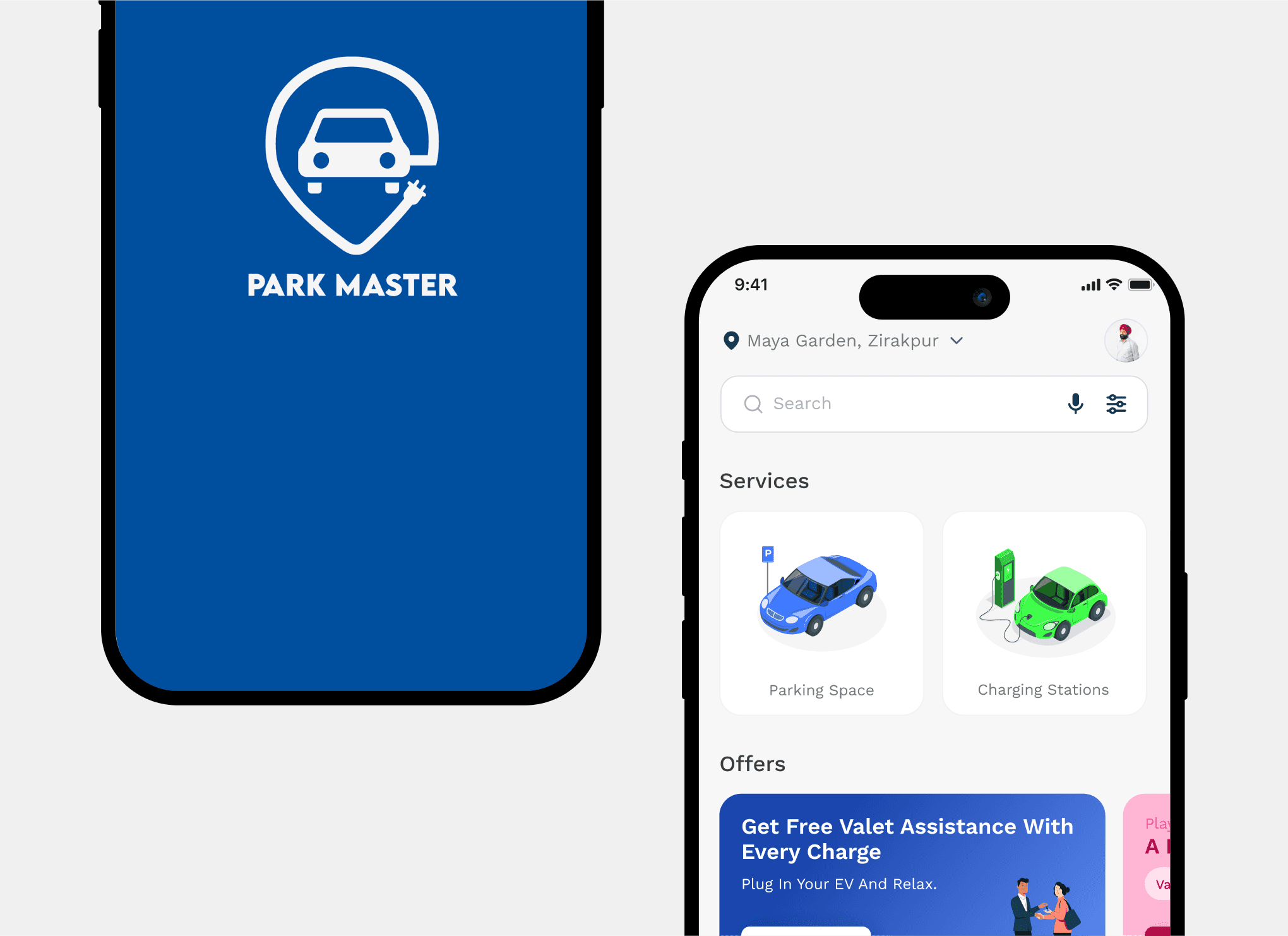
The user can look for a parking space directly by tapping on the services section which have 2 options ie. normal parking, EV parking.
The user can also use filter according to their specific needs like vehicle, connectors, charger types and then see the available parking.
The user can also search where they want to go and see if the parking is available there.
After finding their desired parking space they can check out the description of the parking as well like basic information, charger, details, and reviews & ratings.
After being satisfied they can click on the CTA to show directions.
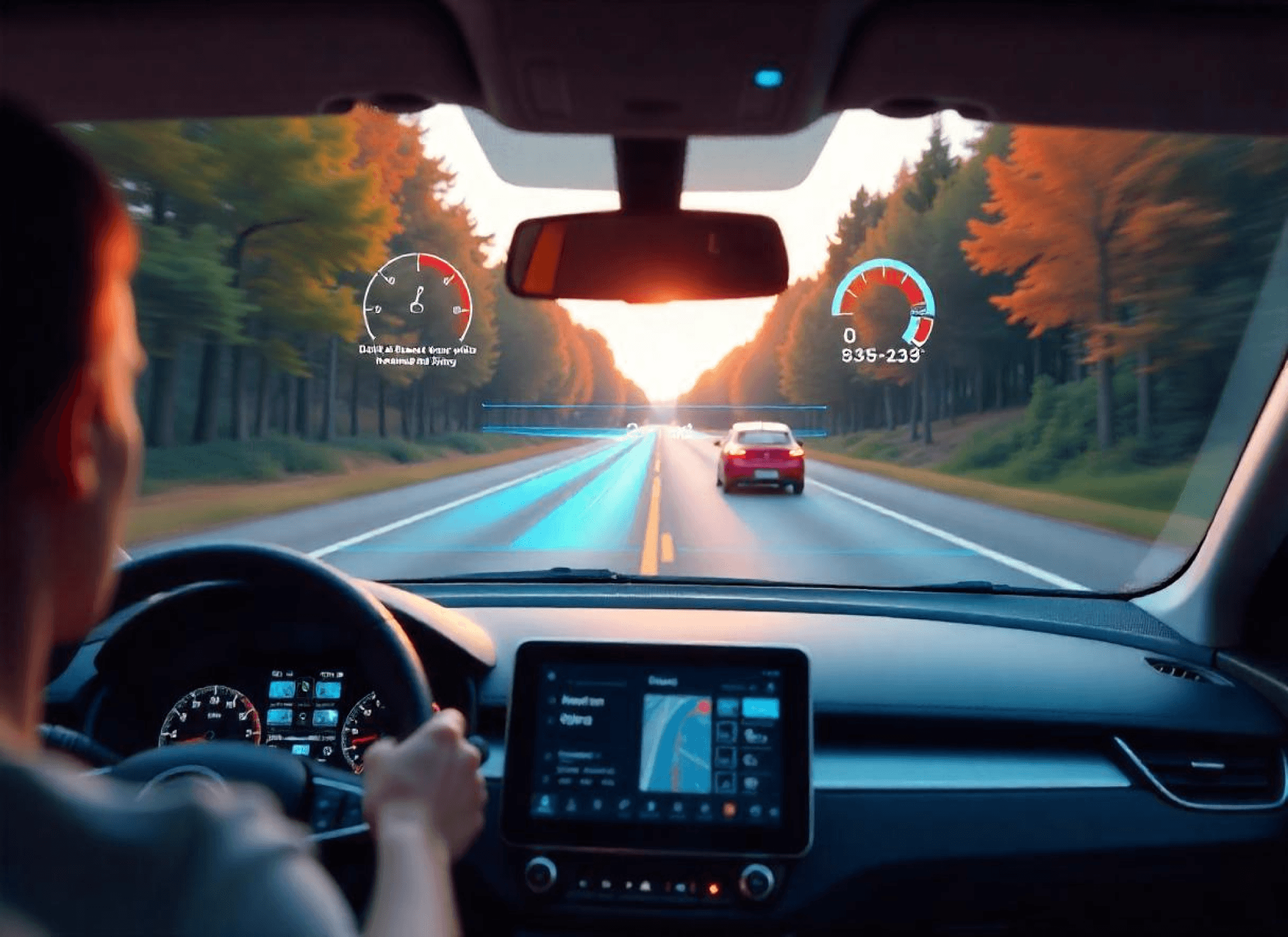
When the user sits in the car and starts the navigation, bluetooth will connect the Park Master app to the car’s dashboard and AR.
AR windshields combine the real-world view with virtual overlays like showing directions as arrows on the road and other real-time data inputs, creating an immersive and informative driving experience.
By displaying information directly on the windshield, driver can stay informed without taking their eyes off the road, improving reaction times and overall safety.
Having a smooth and intuitive experience the user will reach its desired parking space. (ie. in this scenario is Nexus Elante mall).
Here SIAPAS plays very important role, as explained previously it will help the user find empty parking spot according to their needs without wasting much time.
This process will also help in reducing the traffic in entry and exit.
AR view will assist the user, making their experience intuitive and fun.
Assuming the user wants to charge their car as well to better explain the scenario, the user parks their car in the EV zone.
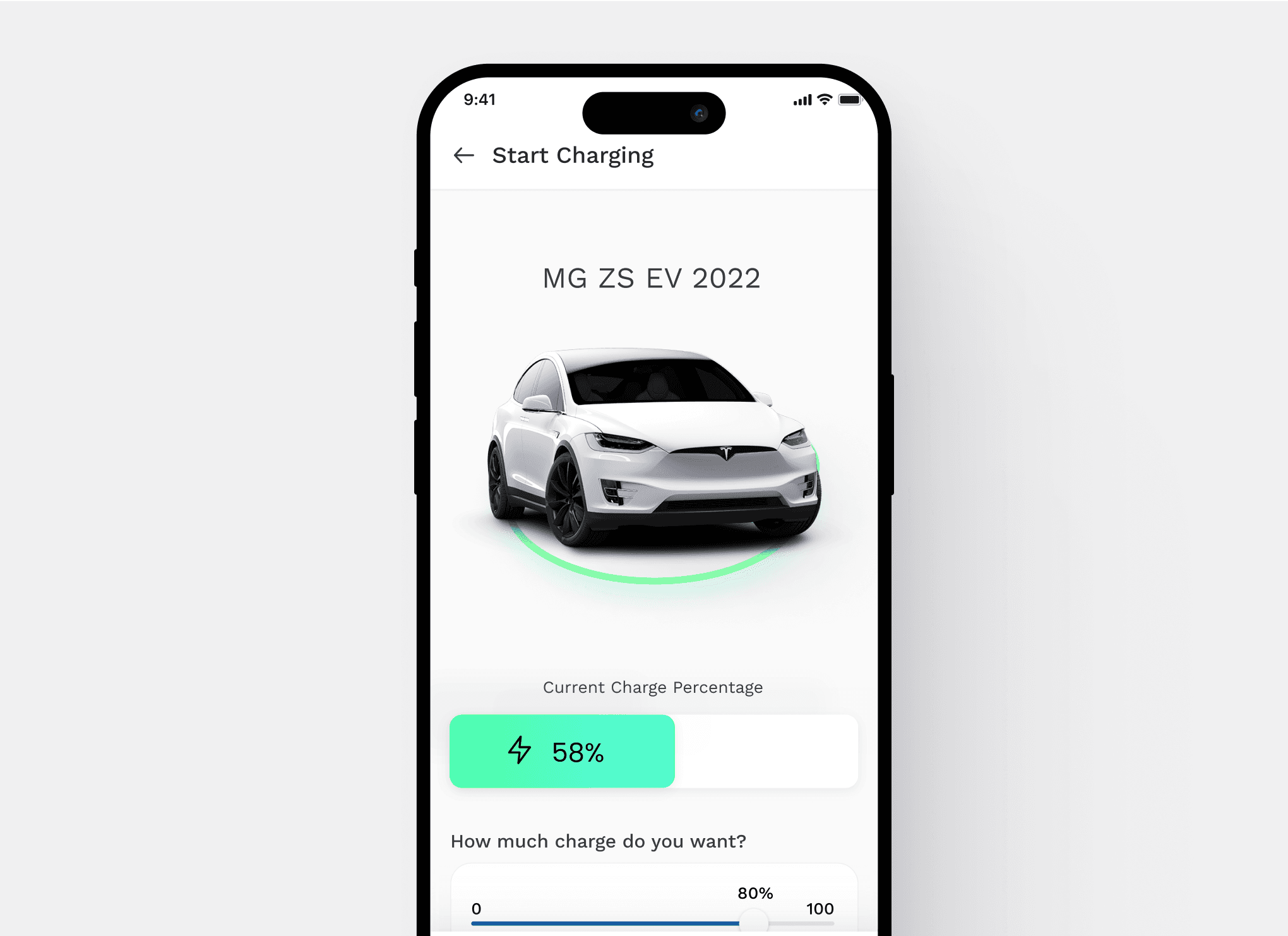
After parking at a EV spot, the user will scan the QR code provided at that spot which will unlock the connector and the user can now plug-in the connector to the car
On the app, the user can now see the current charge and connector, the car’s plugged-in to and will select the charge required according to the time, amount, and energy.
Once everything is selected, the user will click on the CTA proceeding for the payment, and will pay through the different payment options such as net banking, UPI etc.
The user will see the confirmation screen after payment with remaining time and a CTA navigating back to the homepage where current status is available like the charging percentage, time remaining etc. and the place where the car is parked with the option to start navigation to that spot.
so, the user now don’t have to worry about forgetting the spot they parked their car and focus on whatever they are doing meanwhile, with all the information available on their phone.
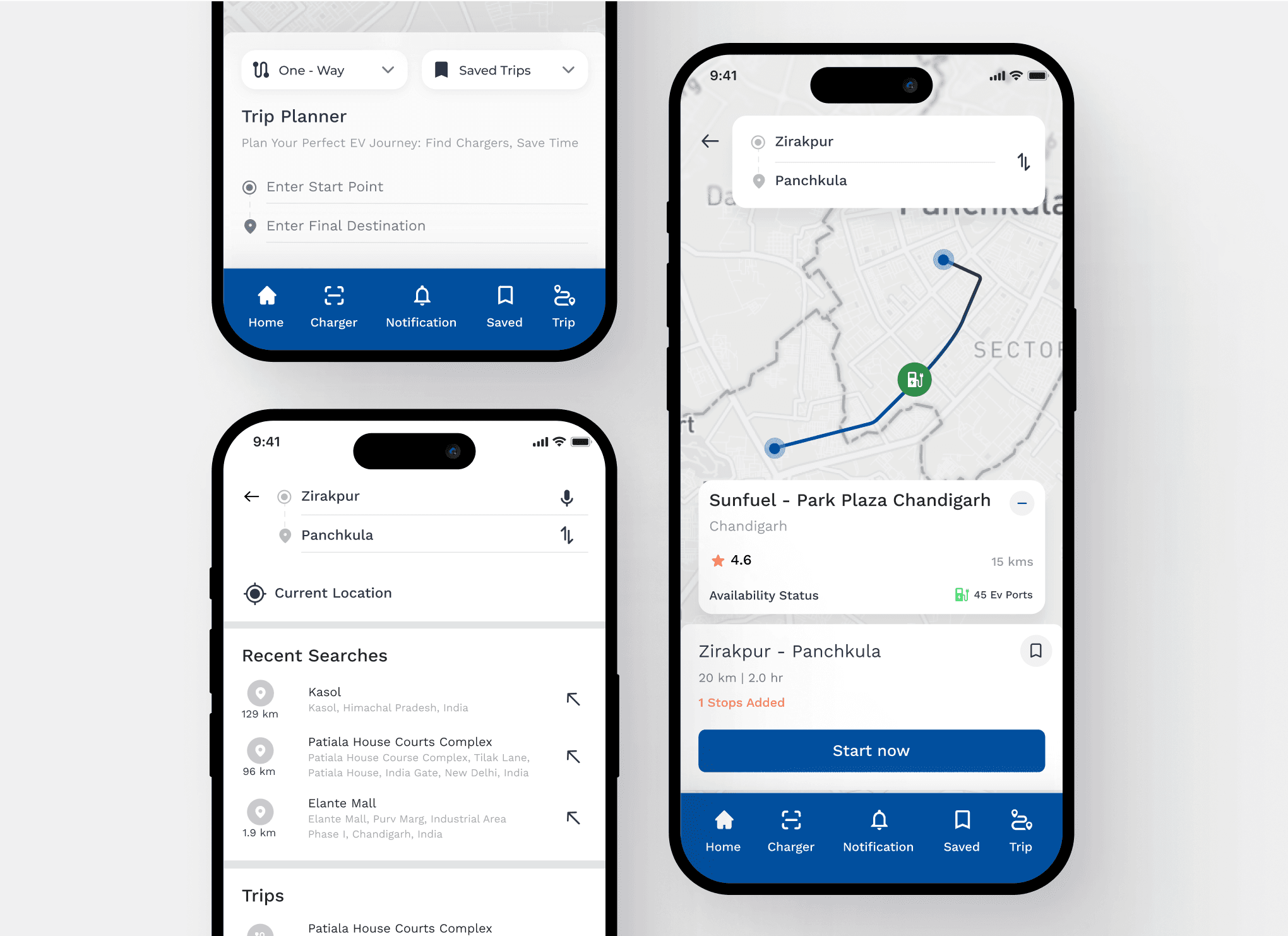
With the trip feature, the user can now add stop for EV station within the journey, as the feature speculates the availability of the station according to the time of reaching there
The user will simply add the starting point and final destination, the interface will show available stops of EV charging stations.
The user can see all the details and add the desired EV station stop by simply clicking on the + sign, the user can also deselect by clicking on the - sign.
Multiple stops can be selected as well, this feature leverages the whole experience and makes the user’s journey even more easy and efficient.
Collaborators
Jasjot Kaur
Livisha Singh
Sulagna Das
Powered by design, curiosity, and chai.